Fixed fee or percentage: how interior designers charge
The two ways an interior designer charges in the Dominican Republic, the incentive each one creates, and why RK Artside works on a fixed fee.
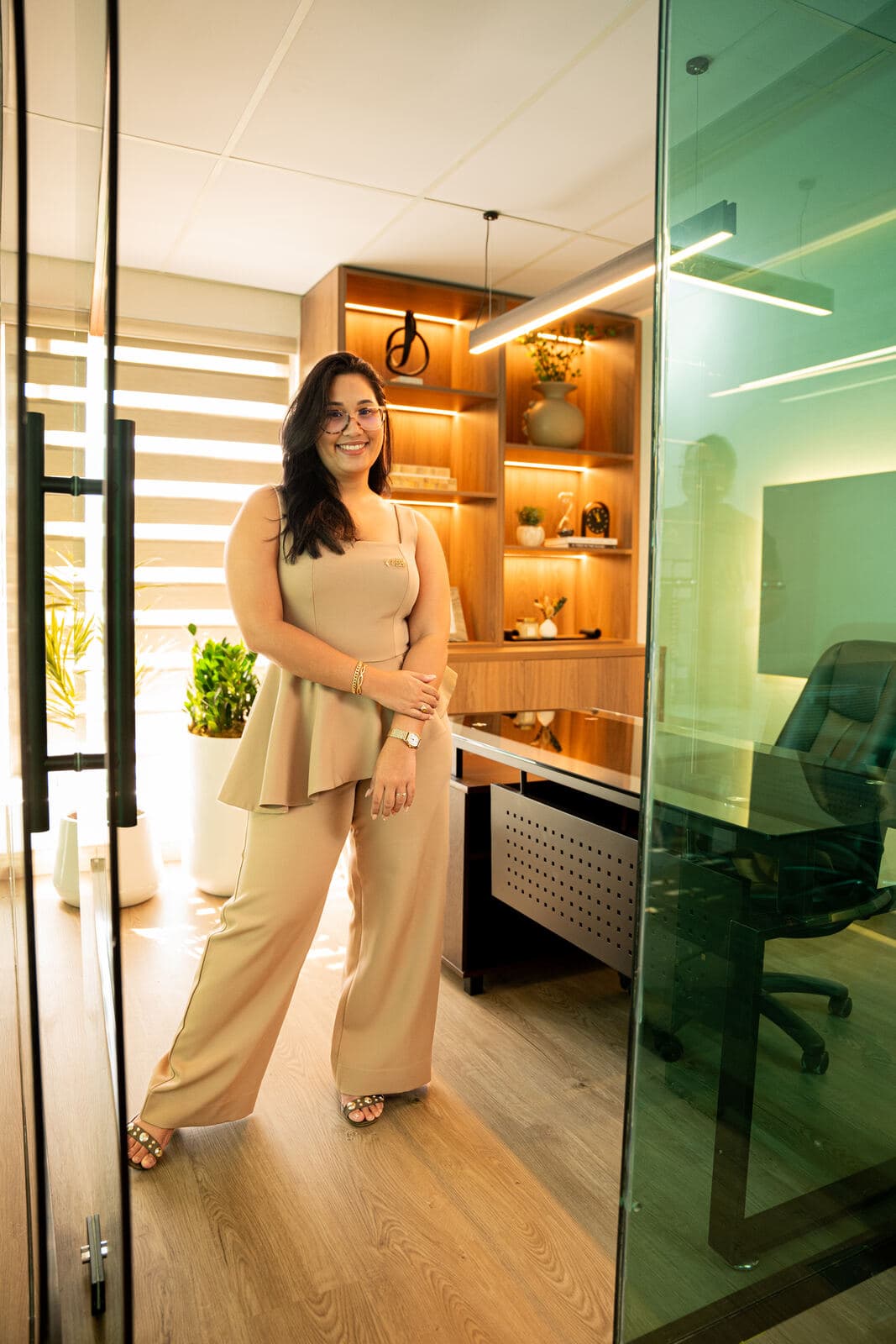 By Reyka Kawashiro··3 min
When someone writes to me for the first time, the question almost nobody asks and almost everybody should is this: how do you charge? Not how much. How. Because the way a designer charges defines what is in their interest while they work on your home, and that affects you more than the number.
The two ways designers charge
In the Dominican Republic an interior designer generally charges in one of two ways.
Percentage. The designer takes a percentage of the total project: of what is bought, of what is built, or both. It is common in the market and sounds reasonable, because the fee "scales" with the size of the job.
Fixed fee. The designer studies the scope, proposes a closed amount for their work, and that amount does not depend on how much you end up spending on furniture, materials or labor.
The problem with percentages
With a percentage, the more you spend, the more the designer earns. Nobody needs bad intentions for that to weigh on decisions. Between an 80,000 peso sofa and a 180,000 peso one, the percentage pushes toward the second. Between "this can be saved" and "this has to go", the percentage pushes toward replacing it.
It is called a conflict of interest and that is exactly what it is: the designer's interest and yours point in different directions. You want the best possible space for what you decided to invest. The percentage wants that figure to grow.
How the fixed fee works
Before we start, we review together what is going to be done: which spaces, how much gets changed, whether there is construction or only decoration. With that I propose a closed fee for the design and the follow-through. You approve it, and that is the number.
Execution (materials, furniture, contractors) is budgeted separately, with quotes you see and approve. My fee does not go up if you choose marble over porcelain tile. It does not go down either. So my only incentive is that the space turns out well and that you are happy with what you spent.
What if the project changes?
It changes. Almost always. Damp shows up behind a wall, you decide the kitchen is in after all, or the opposite, that this year only the living room gets done.
With a fixed fee that is handled by talking: if the scope really grows, we discuss it and adjust the fee with a new number, before doing the work, not after. If the scope shrinks, same thing. What never happens is finding out at the end that the project cost twice as much.
That is why, on top of the fixed fee, during the work I send you reports on where the budget is going, and if something drifts, I tell you early, while there is still a decision to make. Predictable is the word. An interiors project has enough surprises on its own; your designer's price should not be one of them.
What to ask any designer before hiring
- Do you charge a percentage or a fixed amount? If a percentage, on what?
- Do I see the furniture and material quotes directly?
- Do you receive commissions from the stores or suppliers you recommend?
- What happens to the fee if the scope changes halfway through?
- How will I know where the budget is going during the work?
The answers tell you more about what working with that person will be like than any portfolio.